
Big WinsLive CasinoRegulationReviewsRoulette
How Live Casino Studios Are Audited
The paperwork was extensive. Court filings, regulator reports, surveillance footage timestamps. Everything the casino claimed about fairness was documented and available.
Words by Carol Feldman3 min read
An auditor enters a live casino studio in Bulgaria on a Tuesday morning. The studio has been operating the same game the same way for five years. The auditor is there to verify that the game continues to be fair, that the randomization is functioning, that nothing has changed.
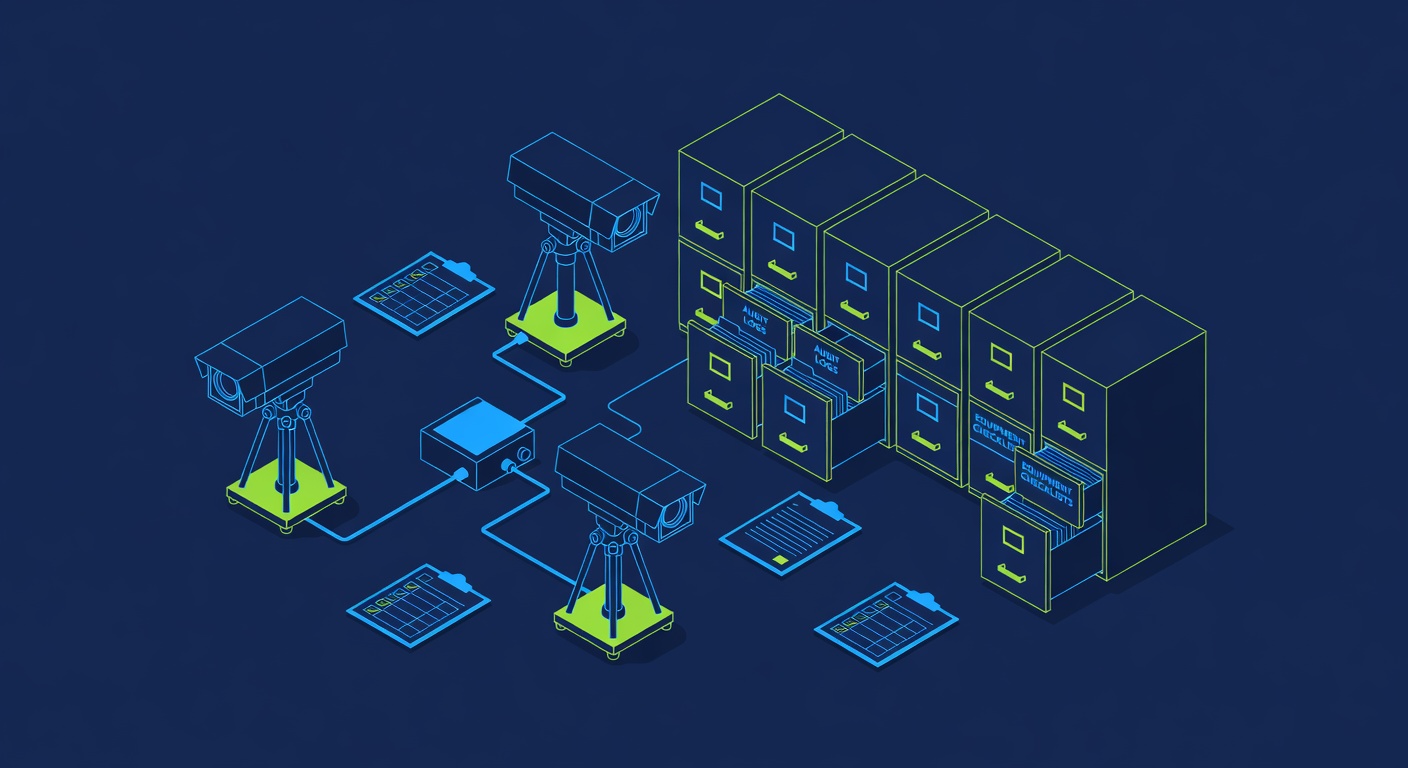
The auditor begins with the equipment. The shoe is sealed and numbered. When was it manufactured? Who maintained it? Are there any signs of tampering? The dealer's table is measured. The camera angles are checked. Every physical element that could affect the game is documented.
Next, video review. The auditor watches footage from the previous week. They check that the dealer is shuffling correctly. They verify that the cards are being cut in the right location. They confirm that no card escapes the shoe or enters from outside. They track the time stamps to ensure no edits or gaps in the footage. Any discontinuity might indicate manipulation.
Then the software. The random number generator is tested. A professional auditor runs tests that attempt to find patterns or biases. They look at the sequence of shoe outcomes over months. If they find anomalies, the studio must explain them or fail the audit.
The Regulatory Framework
Live casino studios operate under licensed authority. The Malta Gaming Authority, the UK Gambling Commission, Curacao, each has different standards. Some require quarterly audits. Some require annual audits. Some require audits triggered by specific events: large payouts, staffing changes, equipment upgrades.
The auditor files a report. The report details what was checked, what was found, and whether standards were met. If standards were not met, the studio cannot operate. If they were met, the studio continues operation. The auditor is independent, hired by neither the casino nor the regulator but selected by an approval process that involves both.
The cost of audits is substantial. A full audit of a live casino studio with multiple games can cost 50,000 to 100,000 dollars per year. This is not a cost that a studio would choose to bear if not required by regulation. But the cost ensures that games remain fair.
What Gets Checked
Dealers are checked. The auditor verifies that dealers are not working deals with players. They look for signals, collusion, anything that might indicate the game is not random. They check staffing rotations. The same dealer should not work the same game for months in a row. The rotation is important.
Card condition is checked. Cards wear out. A card that is damaged or marked might alter outcomes. New cards are introduced regularly and old ones are removed. The auditor verifies this process is documented and followed.
Network security is checked. The connection from the studio to the player must be encrypted. The connection from the game's controls to the monitoring system must be secure. Unauthorized access would be a catastrophic flaw. Auditors verify encryption, firewall settings, and access logs.
The Frequency Question
Some operators want to be audited more frequently. More audits mean more certification that they are operating fairly. More certification means more player trust. The trust translates to volume, which translates to revenue. The audit cost is an investment in legitimacy.
Other operators prefer the minimum required audits. They operate fairly but they see the audit as an overhead cost rather than an asset. These operators tend to operate in jurisdictions with less oversight, where auditing is required but not embraced as a competitive advantage.
Audits cannot catch sophisticated collusion that involves players and dealers.
What Audits Cannot Catch
Audits cannot catch sophisticated collusion that involves players and dealers. If a dealer and a player have an arrangement, an auditor watching a single shuffle cannot necessarily identify it. But repeated audits create a pattern. If the same player is disproportionately winning against mathematics, the pattern emerges.
Audits also cannot catch defects that are not visible. If a shoe has been subtly modified to cause certain outcomes, a visual inspection might miss it. But if an auditor is suspicious, they can order the shoe sent to a laboratory. Sophisticated manipulation requires sophistication at the auditing level to detect.
The audit exists because the alternative is total opacity. No audit means no verification. Total verification, despite its cost, is cheaper than the loss of player trust that would follow a scandal. This is why licensing jurisdictions require them.