
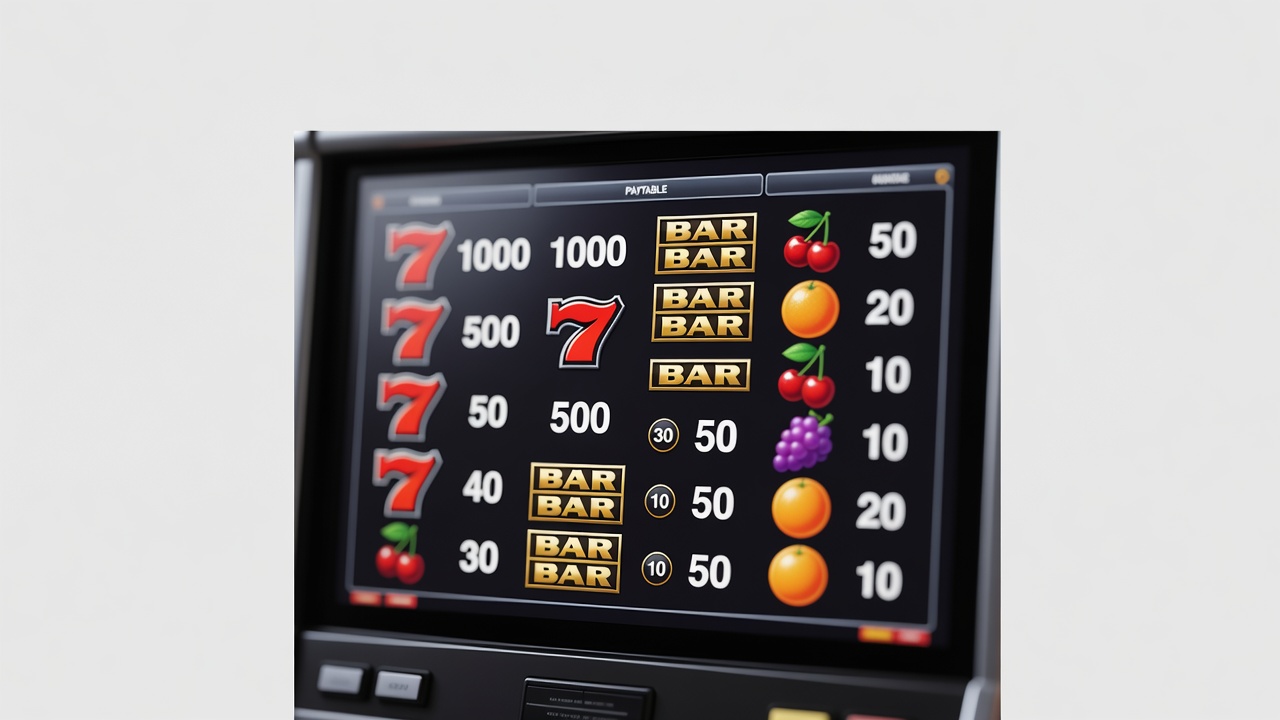
RTP and volatility set the foundation for any slot session.
How Slots Pay Using RTP and Volatility
Return-to-player is the share of all wagered money a game is designed to pay back over millions of spins. Volatility describes how bumpy the ride to that average is.
A 96 percent RTP still means the house keeps roughly 4 percent over time. High-volatility games pay less often but larger. Low-volatility games pay small amounts more frequently. Neither figure makes a game due. Results never balance out over a short session. Higher RTP is slightly better value on average, but the house still holds an edge on every game.
Pick an RTP and volatility that suit your budget and patience. Judge a session by enjoyment, not by chasing the average. Slots are games of chance built with a house edge. Treat any money staked as the price of entertainment.
Open the paytable before your first spin so you know what you are actually betting into.
Reading a Paytable
The paytable is the rulebook for a slot. It shows symbol values, paylines or ways to win, special symbols, and how any jackpot or bonus is triggered.
Check what each symbol pays and how many you need. Premium symbols pay far more than the low card-suit symbols. Learn how wins are counted. Fixed paylines, ways to win, or cluster pays each behave differently. Read the rules for wilds, scatters, multipliers, and exactly what triggers the bonus or jackpot. Note the minimum bet required to qualify for a jackpot. Some top prizes only unlock at higher stakes.
Open the paytable before your first spin so you know what you are actually betting into.
Bonus Rounds and Free Spins
Free-spin and bonus rounds are triggered by chance, usually scatters, not by how long you have played. Much of a game's advertised RTP can live inside its bonus features, so base-game spins may feel thin by design.
A buy feature option pays an upfront cost for instant access. It does not improve the underlying odds and can burn a bankroll fast. Bonus outcomes vary wildly. A triggered round can pay little or a lot. One good round does not predict the next.
Enjoy bonus rounds as the highlight. Never raise your stake expecting a feature to hit soon.
Bet size does not change the trigger odds per spin, though some jackpots require a minimum qualifying bet.
Jackpot Chasing Myths
Every spin is independent. Modern slots use random number generators, so past results have zero effect on what comes next. A machine is never due. A jackpot that has not hit in ages is exactly as likely on the next spin as the first. There are no hot or cold streaks you can ride. Patterns you notice are coincidence, not predictive.
Bet size does not change the trigger odds per spin, though some jackpots require a minimum qualifying bet. Playing longer does not earn a jackpot. It only increases total money wagered against a fixed house edge.
Treat every spin as a fresh, independent event.
Bankroll for Jackpot Hunting
Chasing top prizes means many losing spins for a tiny chance at a rare hit. Bankroll discipline matters more here than anywhere else on the floor.
Set a fixed entertainment budget before you start and treat it as spent the moment you sit down. Winning is never the plan. Decide loss and time limits in advance, and walk away when you reach either one. Never chase losses or borrow to keep playing. A bigger bet does not buy back what a session has taken.
Use deposit, loss, and session-time limits. Reach out to responsible-gambling support if play stops feeling like a choice.
If a jackpot hunt stops being fun or starts straining your finances, stop. The smartest move at the machine is knowing when to leave it.
Key points to remember when choosing a slot include these basics:
- RTP is a long-run statistical average, not what you will get in a session.
- High-volatility games pay less often but larger amounts.
- Check the paytable for symbol values and bonus triggers before spinning.
- Bonus rounds are random and cannot be forced by longer play.
- Every spin remains independent regardless of past outcomes.
- Set a budget in advance and stick to it without chasing losses.