
Crypto GamblingGuidesPaymentsSecurity
Social Engineering Scams Targeting Casino Players
A gentleman called the cage asking about his account. He knew his reference number. He knew the game he'd played. But his accent was different from his file.
Words by Rita Sanchez3 min read
A gentleman called the cage asking about his account. He knew his reference number. He knew the games he'd played. Everything checked out. Except his accent was different from his file.
Our cage manager was trained to notice these things. Small inconsistencies. Accent shifts. The way a person phrases questions.
She flagged it. We called security.
The gentleman on the phone wasn't the account holder. Someone had compromised the account through social engineering.
How It Works
A scammer researches a player. They find their email on a forum post, or in a data breach. They learn that the player has an account at a specific casino. They contact customer support claiming to be the account holder.
The conversation goes like this:
"Hi, I forgot my password and I'm trying to access my account."
"Okay, what's your email address on file?"
"[Correct email]"
"And your account reference number?"
"[Correct number, found from public records or data breach]"
"Can you verify your home address?"
"[Correct address, also available from breaches or linked social media]"
At this point, the support agent assumes the person is the account holder. They reset the password. The scammer gains access.
Inside the account, the scammer can:
- Change the email to their own
- Change the password
- Change the withdrawal address (if crypto)
- Lock the original owner out
If the account has funds (from previous play), the scammer drains them. If the account has a bonus, the scammer clears the playthrough requirements and withdraws.
The original owner doesn't notice until they try to log in.
At this point, the support agent assumes the person is the account holder.
Why Casinos Are Targets
Casino accounts are high-value targets because:
- They often contain funds (gamblers keep money in accounts)
- Verification is often lax (many casinos care less about security than about customer retention)
- Withdrawal methods are varied (crypto, wire transfer, payment processing), making it harder to trace and recover
- A compromised account can generate months of playthrough if there's a bonus attached
What A Good Casino Does
A good casino (like Evolution's high-limit platform or Pragmatic Play's institutional setup) verifies identity aggressively:
- Multi-factor authentication required
- IP address change triggers a verification email
- Withdrawal address changes require phone verification
- Any account change is logged with timestamps
- Support agents are trained to verify beyond basic security questions
A bad casino accepts password resets from anyone who knows three pieces of personal information.
Example: A scammer sends an email appearing to be from DraftKings support.
The Social Engineering Layer
The most sophisticated attacks don't target the casino directly. They target the player.
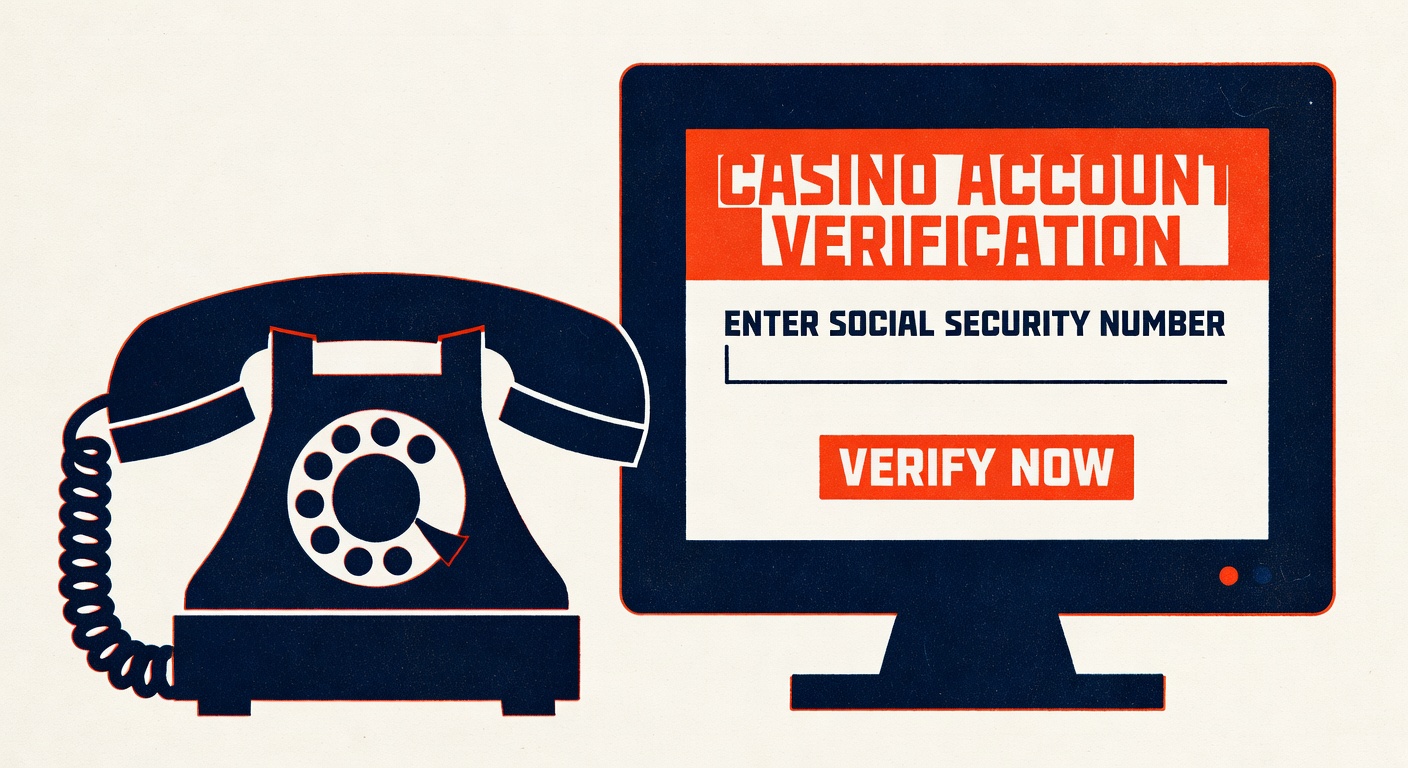
Example: A scammer sends an email appearing to be from DraftKings support. "We've detected unusual activity on your account. Click here to verify your identity."
The link goes to a fake DraftKings login page. The player enters their credentials. The scammer now has them. They reset the password on the real account.
This is more effective than calling the casino because it bypasses security entirely. The player voluntarily gives up their credentials.
How To Protect Yourself
- Enable multi-factor authentication (if the casino offers it)
- Use a unique password (don't reuse casino passwords)
- Verify support emails by calling the casino directly
- Never click links in unsolicited emails
- Check your account regularly for unauthorized changes
- Add a phone number to your account that the casino cannot change
The Honest Truth
Many casinos don't prioritize account security because it costs money and reduces customer convenience. Adding a verification step when someone resets a password slows the process. It might frustrate legitimate players.
So casinos skip it. Then they get compromised. Then they have to deal with fraud.
The gentleman who called with the accent change? We reversed the fraudulent transactions and locked the account. But most casinos don't have the infrastructure to do this.
If you play at a casino, assume your account will eventually be targeted. The only question is whether the casino has security good enough to stop it.
Most don't.