
Big WinsCrypto GamblingGuidesPaymentsRegulationSecurity
VPN Use and Online Casinos: What Players Should Know
I was in Malta when the law changed. You couldn't access US casinos from the US, but you could access them from anywhere else. A VPN looked like the answer.
Words by Buddy Grant4 min read
I was in Malta when the law changed. The Unlawful Internet Gambling Enforcement Act (UIGEA) passed in 2006. Suddenly, US-based casinos were off-limits from US IP addresses. But they were still accessible from everywhere else.
A VPN looked like the answer. Log in from a Maltese IP. Play. Withdraw to a crypto address registered in another country. The casino gets paid. You get plausible deniability.
I did this for three years before I understood the actual cost.
How It Works (Technically)
You download a VPN client. The client encrypts your traffic and routes it through a server in another country. Your IP address becomes the VPN server's IP address. To the casino, you look like you're logging in from Malta or Cyprus or wherever the VPN is based.
The casino's fraud detection system sees a Maltese IP. It logs you in. You play. You win $500. You request a withdrawal. The casino sends it to your crypto wallet. Everything looks normal.
Except nothing is normal.
Using a VPN to access these sites is not technically illegal (the VPN itself is legal).
Why Casinos Care
Casinos that use VPNs are not licensed in the United States. They're licensed in Curacao or Malta or an unregulated jurisdiction. They have no obligation to the US government, but they also have no protection from it.
Using a VPN to access these sites is not technically illegal (the VPN itself is legal). But it violates the terms of service of the casino. More importantly, it signals to the casino that you might be a high-risk user.
High-risk users are the ones who:
- Use VPNs
- Withdraw to crypto
- Use shell bank accounts
- Place unusually large bets
- Win unusually large amounts
When a casino identifies a high-risk user, they flag the account. On a single lucky day, that flag might not matter. But if you become a regular, if you build a balance, if you start winning, the casino will eventually freeze your account and conduct a "review."
What "Review" Means
A casino's review means they contact the jurisdiction they're licensed in and explain the situation. "This player used a VPN to access our site from a restricted jurisdiction. We want to confirm this is acceptable."
Curacao's regulator usually says: "Freeze the account and hold the funds pending the outcome of a KYC review."
KYC (Know Your Customer) review means you need to prove:
- Your identity (passport, ID)
- Your source of funds (bank statements)
- Your purpose (why you're gambling)
- Your residential status (proof of address)
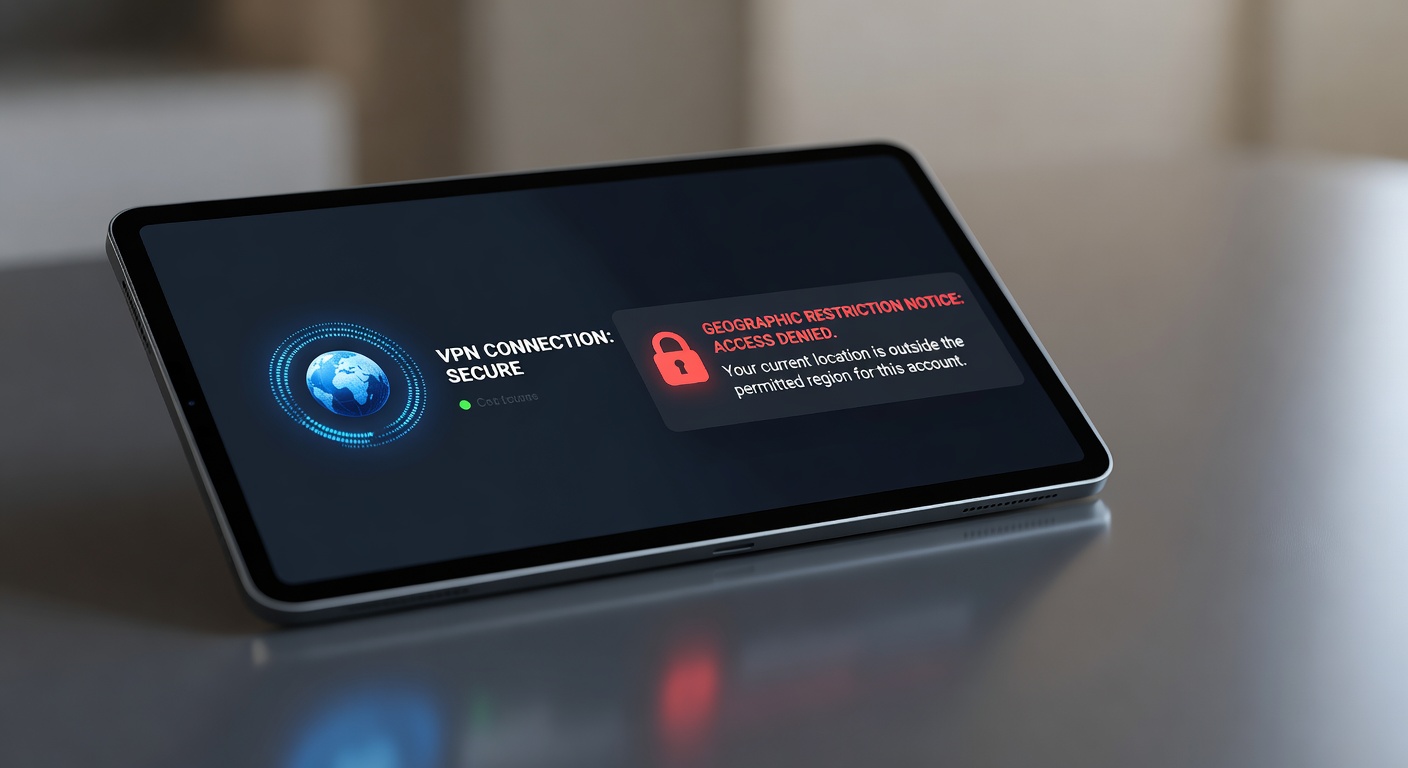
When you submit these documents while using a VPN to play from a restricted jurisdiction, the obvious problem emerges: your documents say you're in the US, your IP address history says you're not. That discrepancy is the entire reason the casino flags you.
My original funding source was a cryptocurrency exchange account I'd closed eighteen months earlier.
The Cost
I had $12,400 in a crypto casino account when I got flagged. I submitted my documents. The casino said: "Your documents indicate US residency. Your account shows IP logins from multiple countries using VPN services. We cannot verify the legitimacy of your account activity."
They froze the account for ninety days. After ninety days, they said: "Your account is locked. Withdrawal to the original funding source only."
My original funding source was a cryptocurrency exchange account I'd closed eighteen months earlier. I couldn't withdraw to a non-existent account. I requested a different withdrawal method. The casino said no.
I contacted their support. They said the account was locked per regulatory requirement. I had no recourse. I never got the $12,400.
What I Should Have Known
Using a VPN doesn't make you invisible to a casino. It makes you suspicious. Casinos that are regulated have fraud departments. Those departments see VPN patterns as a risk signal.
The actual rule: if you're in a jurisdiction where online casinos are illegal, you can't access legal regulated online casinos. That's a choice. But it's not a choice that a VPN makes invisible.
A VPN makes your traffic private. It doesn't make your account behavior private. The casino sees every bet you place. Every withdrawal. Every deposit. That behavior history is what triggers the review, not the VPN itself.
If you use a VPN and you win, the casino will eventually ask questions. And if you can't answer them honestly (because you'd be admitting you violated their terms), they'll freeze your account.
The Honest Version
I'm not saying don't use VPNs for other reasons. I'm saying don't use VPNs to access online casinos if you're in a restricted jurisdiction and expect to withdraw large amounts.
The casino isn't your enemy. The regulator is. And the regulator's job is exactly this: to prevent people from bypassing jurisdiction restrictions.
If you're going to gamble online, do it from a jurisdiction where it's legal. Or accept that you might not be able to withdraw your winnings.
I learned that the hard way. Twelve thousand dollars the hard way.