
Account Takeover Attempts: Signs to Watch For
Your gambling account contains money and personal information. Criminals want both. Here is what account takeover looks like and how to prevent it.
Words by Buddy Grant3 min read
An account takeover happens when someone else gains access to your gambling account and removes the funds. This is not a small risk. Hackers target gambling accounts specifically because they contain money and because people sometimes use weak passwords for them.
The patterns are identifiable. Learning to see them is the first step to preventing them.
How They Get In
Most account takeovers start with a compromised password. You used the same password across multiple websites. One of those websites got hacked, and your password is now public. A hacker buys the password list and tries your email address and password on a gambling site. It works. They are in.
Some takeovers use phishing. You receive an email that looks like it is from your gambling site, asking you to verify your account. You click, enter your password, and the hacker now has it.
Some takeovers use sim-swap attacks. The hacker convinces your phone provider that they are you, and they get your phone number switched to their phone. Your two-factor authentication texts now go to them. They log in, receive the two-factor code, and take over your account.
If someone has taken over your account, you will see unauthorized transactions in your history.
The Warning Signs
If someone has taken over your account, you will see unauthorized transactions in your history. Money withdrawn that you did not withdraw. Bets placed that you did not place.
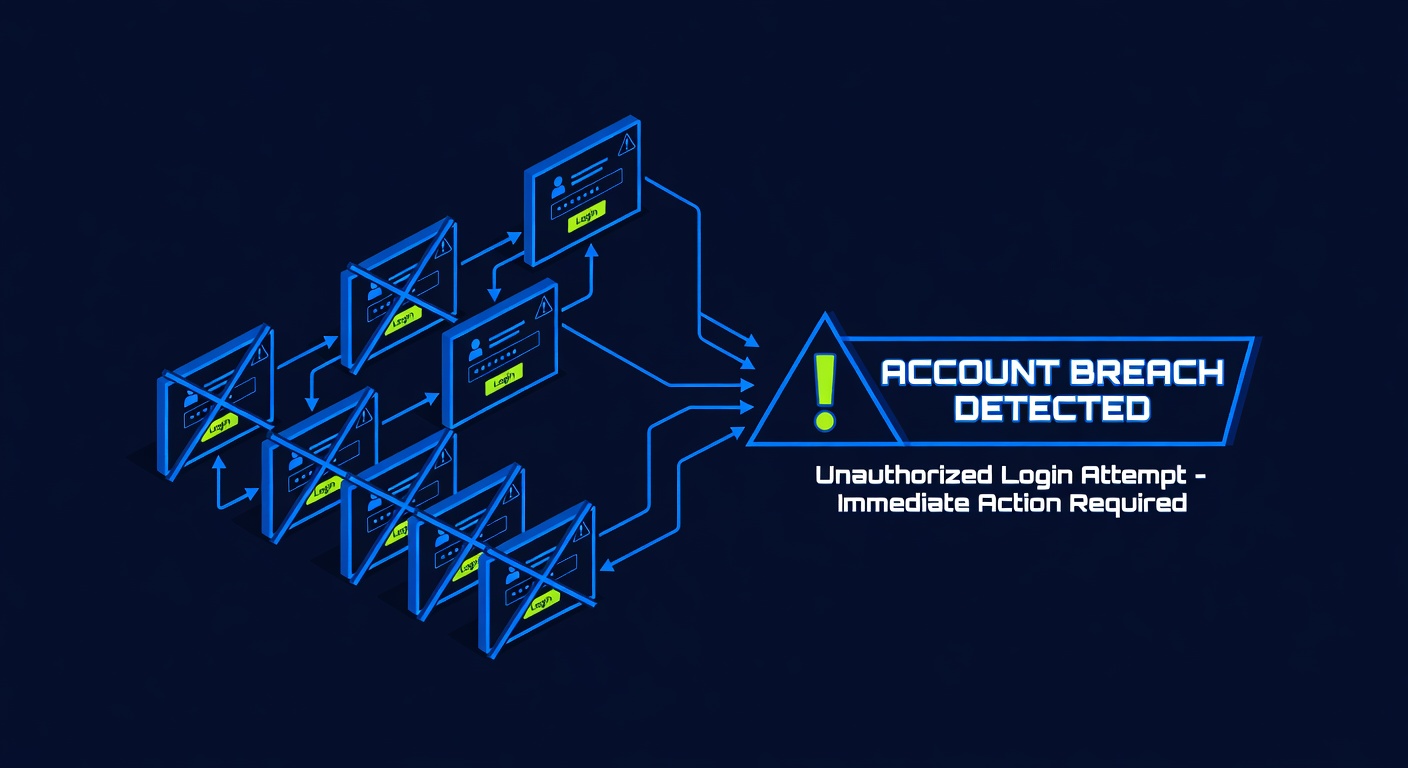
If someone is trying to take over your account but has not succeeded yet, you might notice repeated failed login attempts (if your site notifies you of this), or you might be locked out of your account (because too many failed attempts triggered a security lock).
If someone has your password but is attempting phishing or social engineering to get additional access (like withdrawal address confirmation), you might receive suspicious emails or calls asking for information you should never give out.
What To Do Immediately
If you notice unauthorized access, change your password immediately. Use a strong, unique password that you have never used elsewhere.
Check your withdrawal methods. Criminals often add a new withdrawal address or a new payment method so they can cash out. Remove any addresses or methods you do not recognize.
Contact the gambling site's support team. Report the unauthorized access. Most sites have fraud protocols. They may be able to reverse unauthorized withdrawals if they are recent.
Check your email account. If the hacker has your gambling site password, they might try to reset your email password or add a recovery email address. Change your email password and review your email recovery settings.
Do not use SMS-based two-factor authentication if you can avoid it (because sim-swap attacks target SMS).
Prevention
Use a unique password for your gambling account. Not a variation of a password you use elsewhere. A completely different password. This limits the damage if another website gets hacked.
Enable two-factor authentication. Most gambling sites offer it. It makes account takeover much harder because even if the hacker has your password, they cannot log in without the two-factor code.
Do not use SMS-based two-factor authentication if you can avoid it (because sim-swap attacks target SMS). Use an authenticator app instead.
Do not respond to emails asking for your password or account information. Gambling sites never ask for this information via email. Real communication from the site goes through your account page.
Review your account activity regularly. Check your withdrawal history, your login history (if the site provides it), and your connected payment methods. Anything unusual should be investigated immediately.
The Psychological Dimension
A compromised account is frightening. You feel violated. Your money is gone. But panic leads to mistakes. Call the site. Do not try to hack back or try to recover it yourself. Let the site's security team handle it. Most sites have insurance for fraud. Most will reverse the transactions if you report them quickly.