
BaccaratBlackjackRegulationRouletteSlotsStrategy
How Table Game Regulations Differ Between UK, Malta, and Curacao
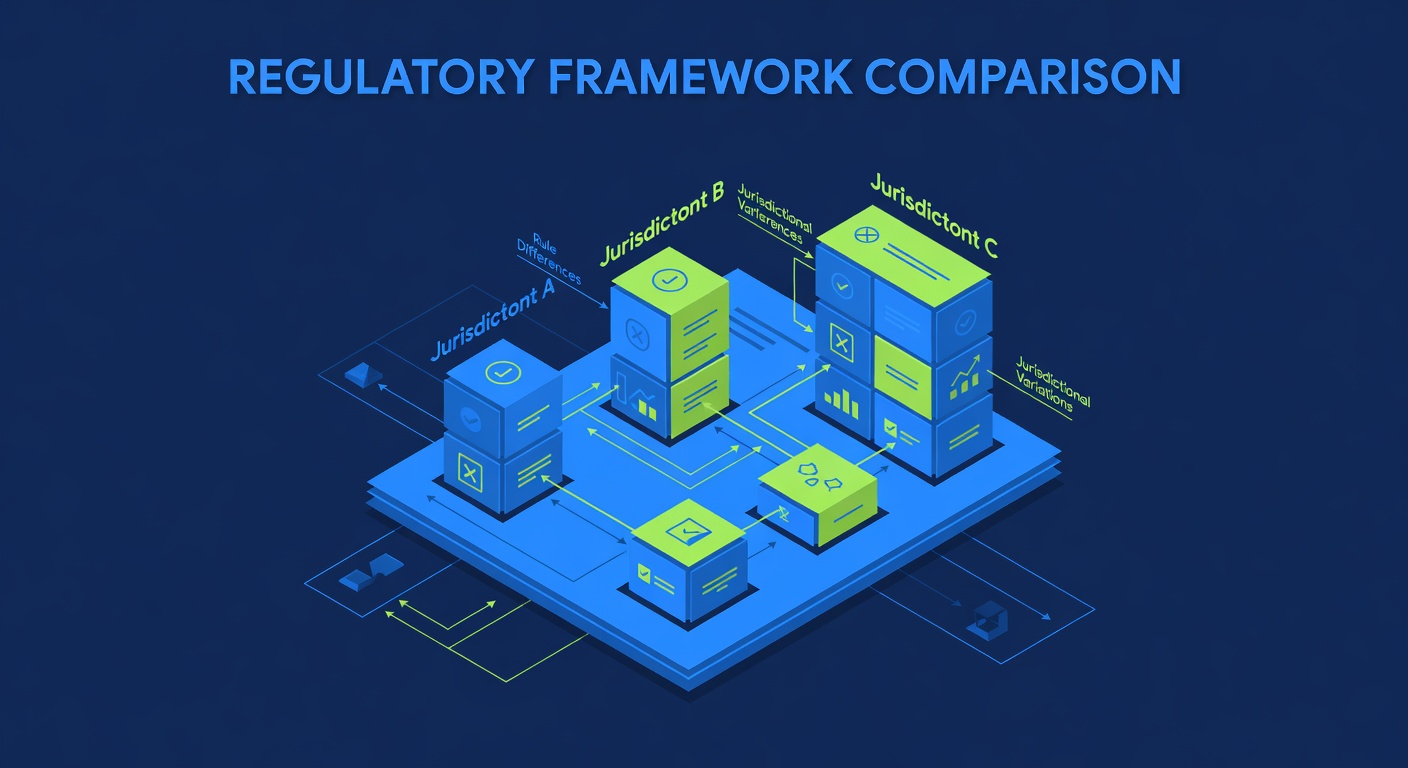
Three jurisdictions. Three approaches to the same question: how much feedback should a player receive before making a decision? The answer reveals each regulator's model of human choice.
Words by Marco Ricci3 min read
Three jurisdictions. Three approaches to the same question: how much feedback should a player receive before making a decision? The answer reveals each regulator's model of human choice.
The UK Approach: Decision Friction
The United Kingdom Gambling Commission requires that table games (baccarat, roulette, blackjack, etc.) pause for at least two seconds after the player indicates their decision and before the outcome is revealed.
Why? To introduce friction. To give the player time to reconsider.
The design logic: a player might place a bet in a state of high arousal or emotional intensity. The two-second pause allows their rational mind to catch up. They can't cancel the bet, but they can experience a moment of clarity.
Evolution Gaming's UK-licensed tables have this built in. You bet. Two seconds pass. The card deals. This is not a loading delay; it's a mandated pause.
The UKGC also requires that players see their current session spend and balance prominently. If you've lost £500 in this session, you see that number clearly before each hand.
For a baccarat table, the MGA requires the operator to display that the house edge on a Banker bet is 1.06% and on a Player bet is 1.24%.
The Malta Approach: Transparency Over Friction
Malta's MGA takes a different view. The regulator assumes that introducing artificial friction is paternalistic. Instead, the MGA requires maximum transparency.
Malta-licensed operators must display:
- RTP (return to player) for each game variant
- House edge calculated precisely
- Probability of outcomes (if relevant)
- The mathematical expectation per hand
For a baccarat table, the MGA requires the operator to display that the house edge on a Banker bet is 1.06% and on a Player bet is 1.24%.
The design logic: if you know the math, you can make an informed decision. The regulator's job is to ensure the information is accurate and accessible, not to manipulate behavior through friction.
Malta permits real-time betting with no mandatory pause. If you want to bet, you bet immediately.
Curacao's Approach: Minimal Regulation
Curacao's approach is lighter on both counts. Curacao-licensed operators (Pragmatic Play's sportsbooks, Stake's crypto instances, etc.) are required to:
- Display RTP
- Ensure fair shuffling (for card games)
- Maintain account balances transparently
But Curacao does not require:
- Mandatory pause times
- Session spend limits
- Behavioral friction mechanisms
The design logic: the player is responsible for their own decisions. The regulator ensures the game is fair, not that the player makes wise decisions.
The UK model assumes: players need protection from their own impulses.
What This Reveals About Regulatory Models
The UK model assumes: players need protection from their own impulses. Therefore, introduce friction.
The Malta model assumes: players need information to make smart decisions. Therefore, maximize transparency.
The Curacao model assumes: players are responsible for themselves. The regulator ensures the game is not rigged.
Each is a different answer to the question: does the regulator exist to protect the player from the game, or to protect the player from themselves?
UK says: both. The game is fair, but also the player needs help resisting it.
Malta says: the game is fair and transparent. The player makes informed choices.
Curacao says: the game is fair. The player is accountable.
Which Is Right?
This depends on your theory of human behavior. If you believe people make poor decisions under emotional arousal, the UK approach makes sense.
If you believe people make good decisions when given information, the Malta approach makes sense.
If you believe people are responsible for their own choices regardless of emotion or information, the Curacao approach makes sense.
No regulator has definitively proven one approach reduces problem gambling more than the others. The different approaches persist because they reflect different political philosophies, not different empirical outcomes.
What matters to you as a player: know which jurisdiction your operator is licensed in. Each one has made a bet about what kind of decision-maker you are.